


Asset disposal in corporate and manufacturing companies refers to the systematic process of retiring, transferring, recycling, or selling assets that are no longer useful, functional, or economically viable. These assets may include IT equipment, machinery, tools, vehicles, furniture, electrical and electronic equipment, and production-line components. Proper asset disposal ensures operational efficiency, data security, regulatory compliance, and environmental responsibility.
Disposing of obsolete or unused assets frees up space, reduces maintenance costs, and improves workplace safety and productivity.


Corporate assets such as computers, servers, and storage devices may contain sensitive business data. Secure data destruction prevents data breaches and intellectual property loss.
Manufacturing companies must comply with environmental, safety, and waste management regulations. Proper disposal helps avoid legal penalties and ensures adherence to industry standards.
Many corporate and manufacturing assets contain hazardous materials. Responsible recycling and disposal minimize environmental impact and support sustainability goals.
Some assets retain residual value. Through resale, refurbishment, or recycling, companies can recover value and maintain accurate financial records.
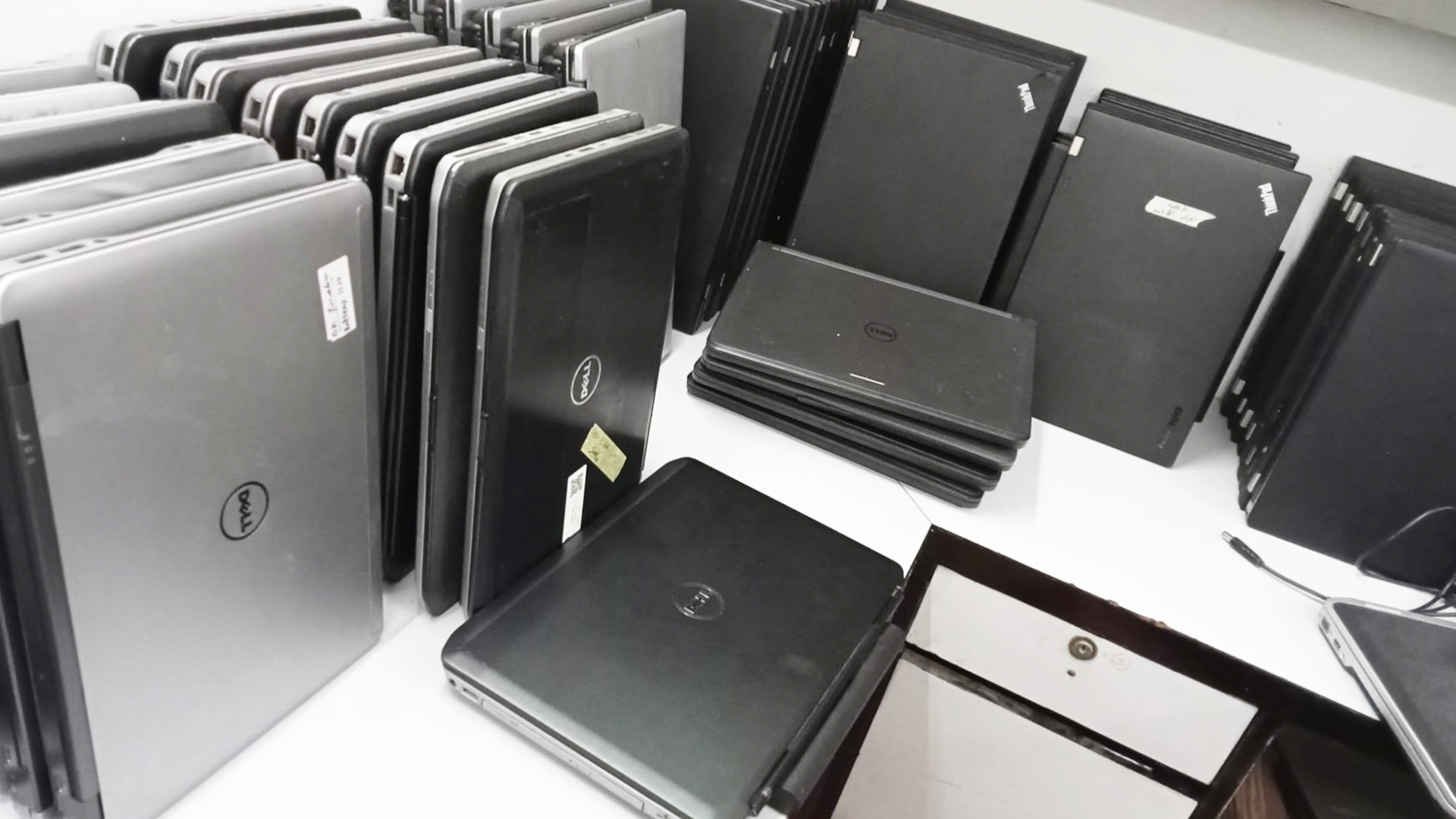
All IT assets scheduled for disposal are identified, logged, and tracked to maintain accountability.
Management approval is obtained, and disposal is documented for audit and compliance purposes.
IT and electronic assets undergo secure data wiping or destruction.
Assets are reused internally, sold to third parties, donated, or sent to certified recyclers.
Non-recyclable assets are disposed of safely, and disposal certificates are maintained.
Effective asset disposal is a critical component of asset management for corporate and manufacturing companies. It enhances efficiency, ensures compliance, protects sensitive information, and supports environmental sustainability while enabling responsible financial management.