

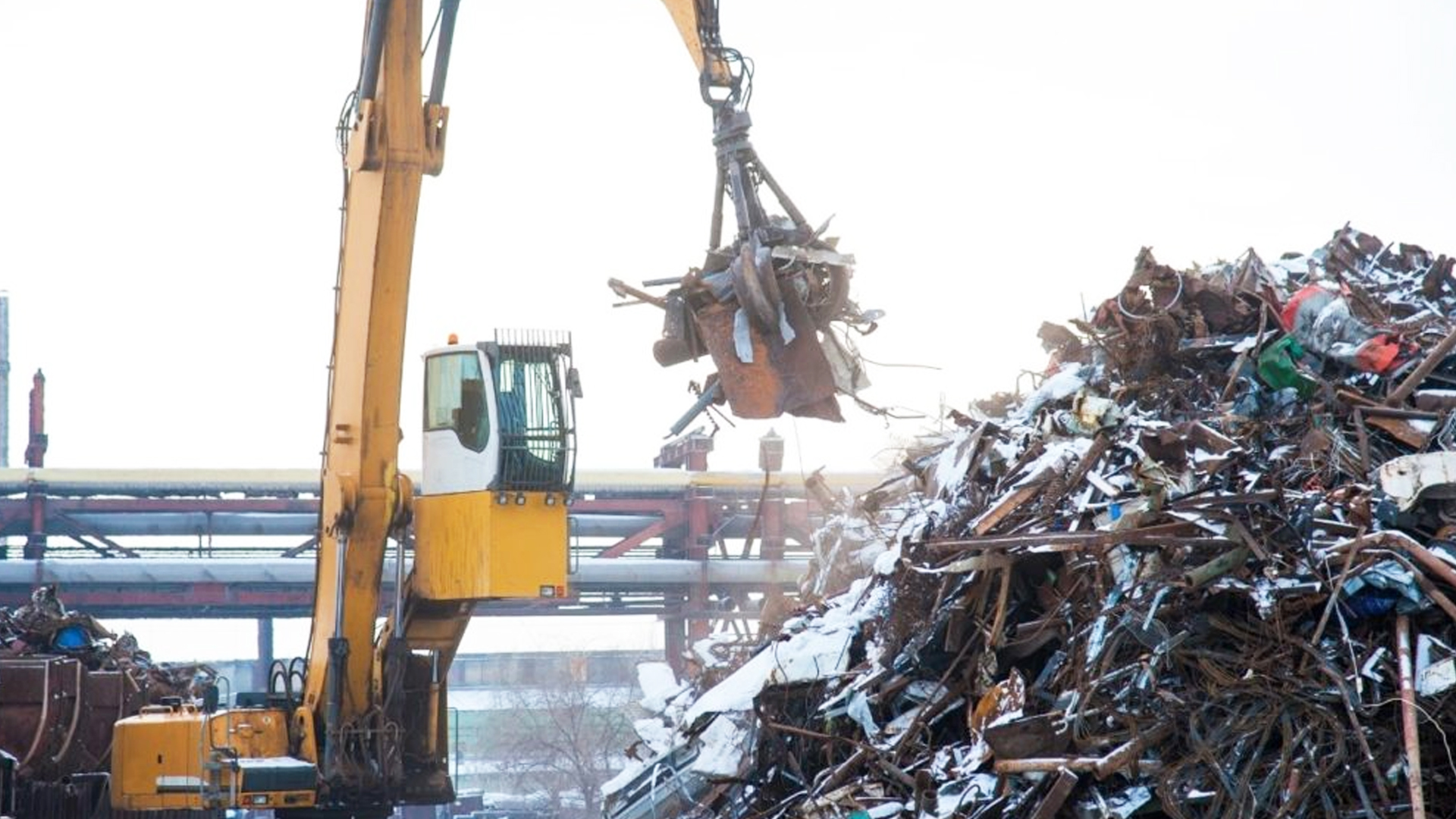
Industrial E-Waste Recycling is the systematic process of collecting, treating, and recovering materials from discarded electrical and electronic equipment generated by industries. This includes waste from manufacturing units, data centers, factories, power plants, laboratories, and large commercial facilities. Common industrial e-waste items include control panels, servers, circuit boards, industrial machinery electronics, cables, and automation equipment.
Industrial e-waste contains hazardous substances such as lead, mercury, and flame retardants. Recycling prevents these toxins from polluting soil, water, and air.
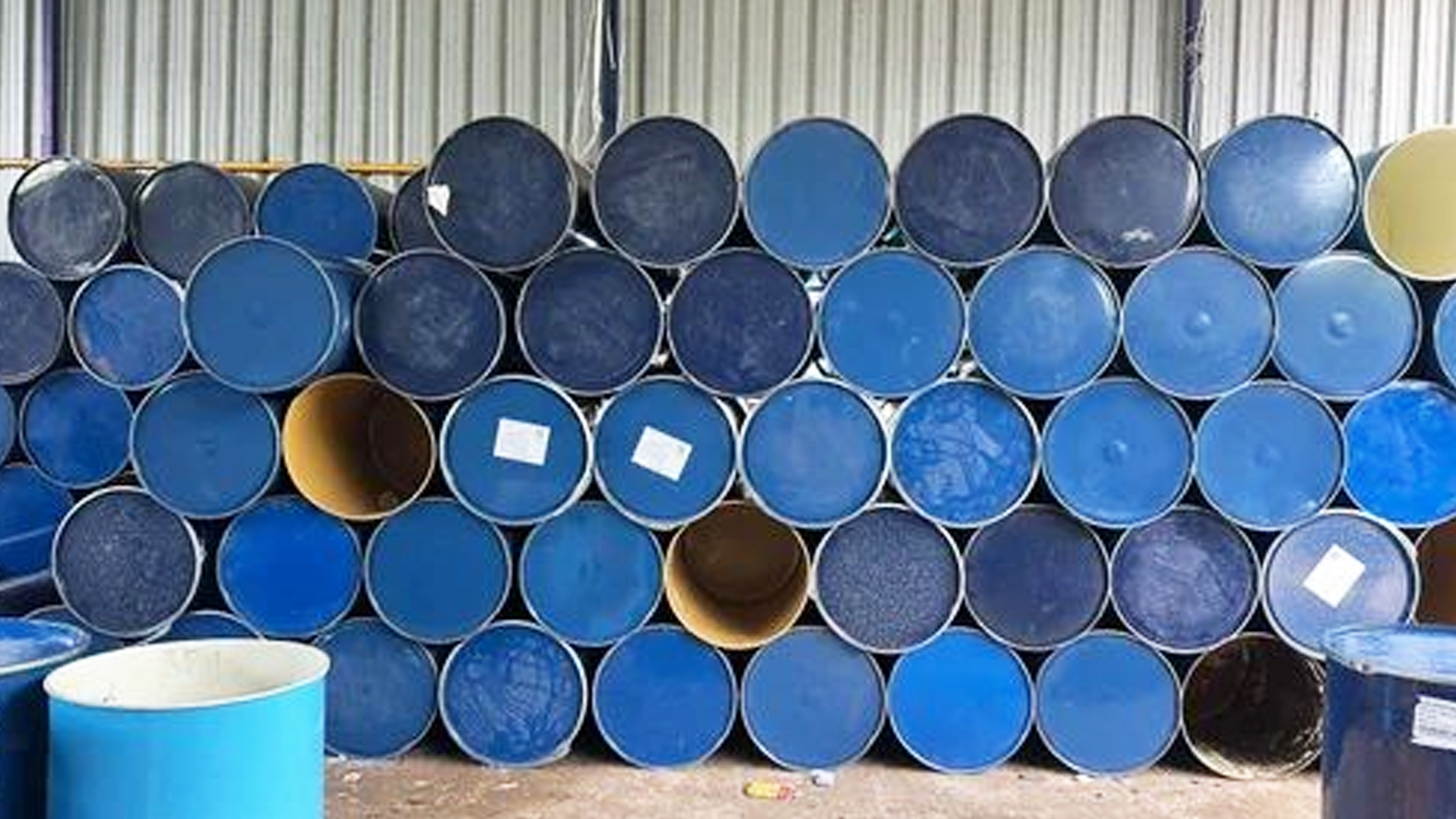
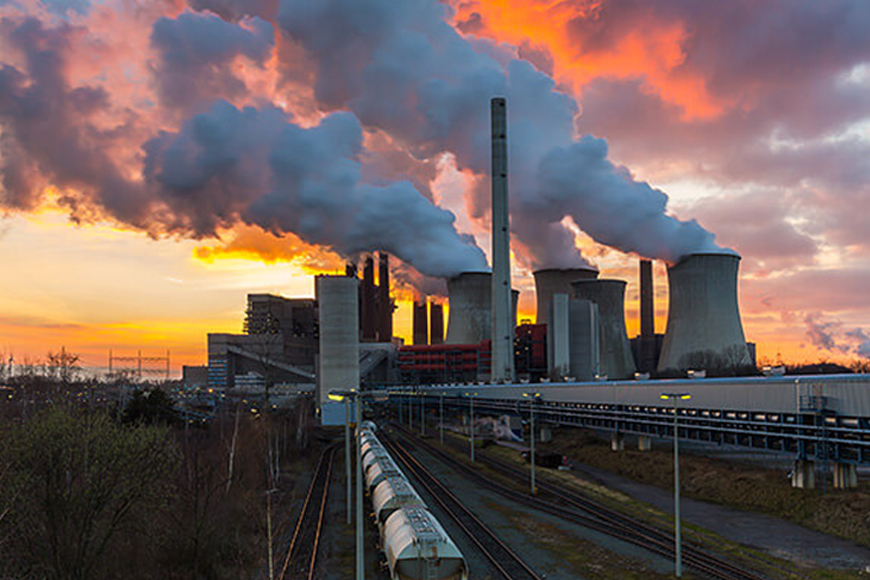
Industrial electronics often contain higher concentrations of harmful materials. Certified recycling ensures safe dismantling and treatment.
Valuable metals like copper, aluminum, silver, and gold can be recovered and reused, reducing the need for mining and conserving natural resources.
Industries must follow environmental and waste management regulations. Proper e-waste recycling helps avoid legal penalties and supports corporate responsibility.
Recycling industrial e-waste supports a circular economy by reintroducing recovered materials into the production cycle.
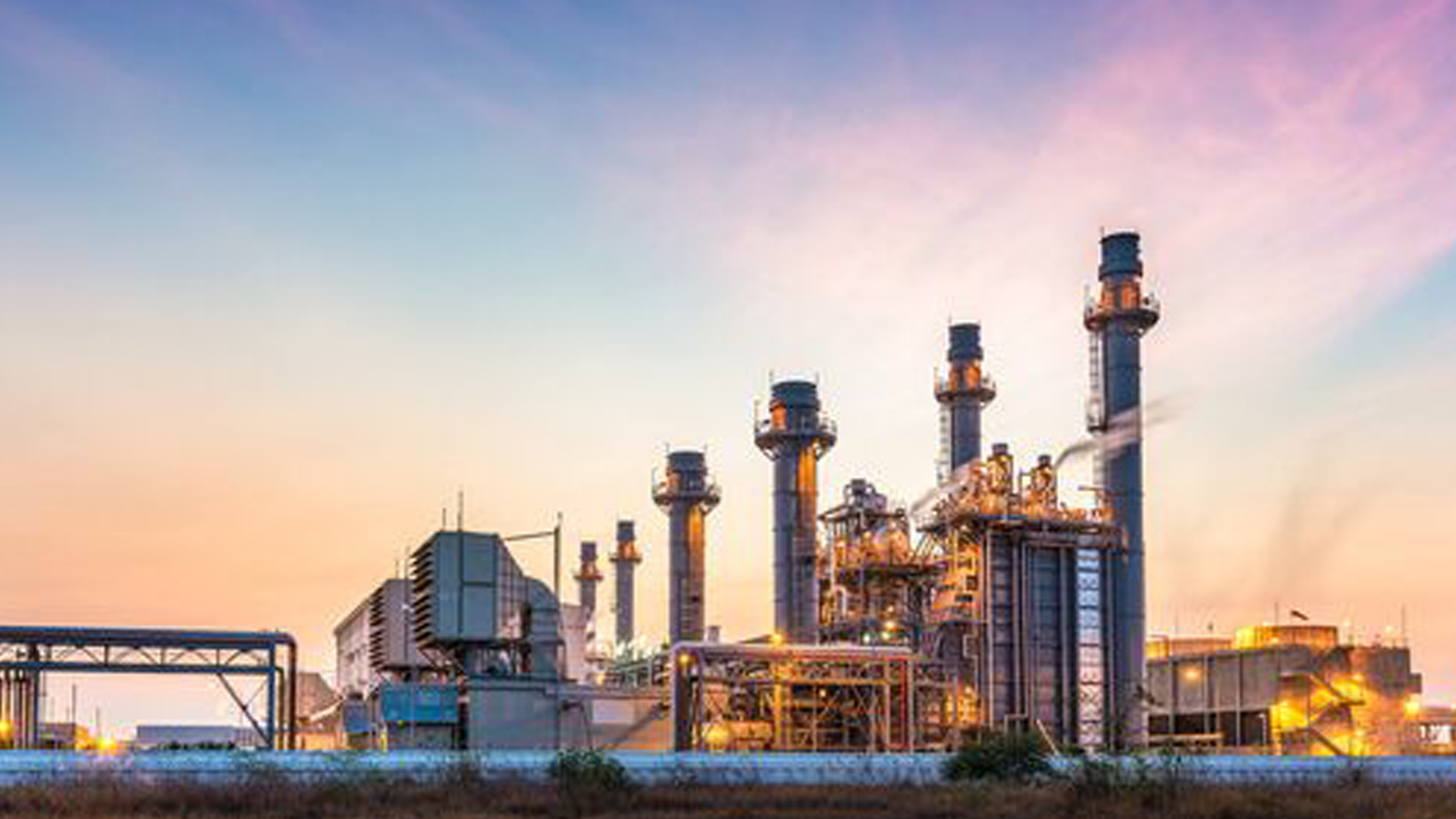
E-waste is collected from industrial sites and segregated based on type and material.
Equipment is dismantled to separate metals, plastics, and hazardous components.
Advanced recycling techniques are used to recover reusable and valuable materials.
Non-recyclable and toxic waste is disposed of in authorized facilities.
Certificates of data destruction and disposal records are maintained for auditing and compliance purposes.
Industrial e-waste recycling is essential for minimizing environmental impact, ensuring worker safety, and promoting sustainable industrial practices. By adopting responsible recycling methods, industries contribute to environmental protection and efficient resource utilization.