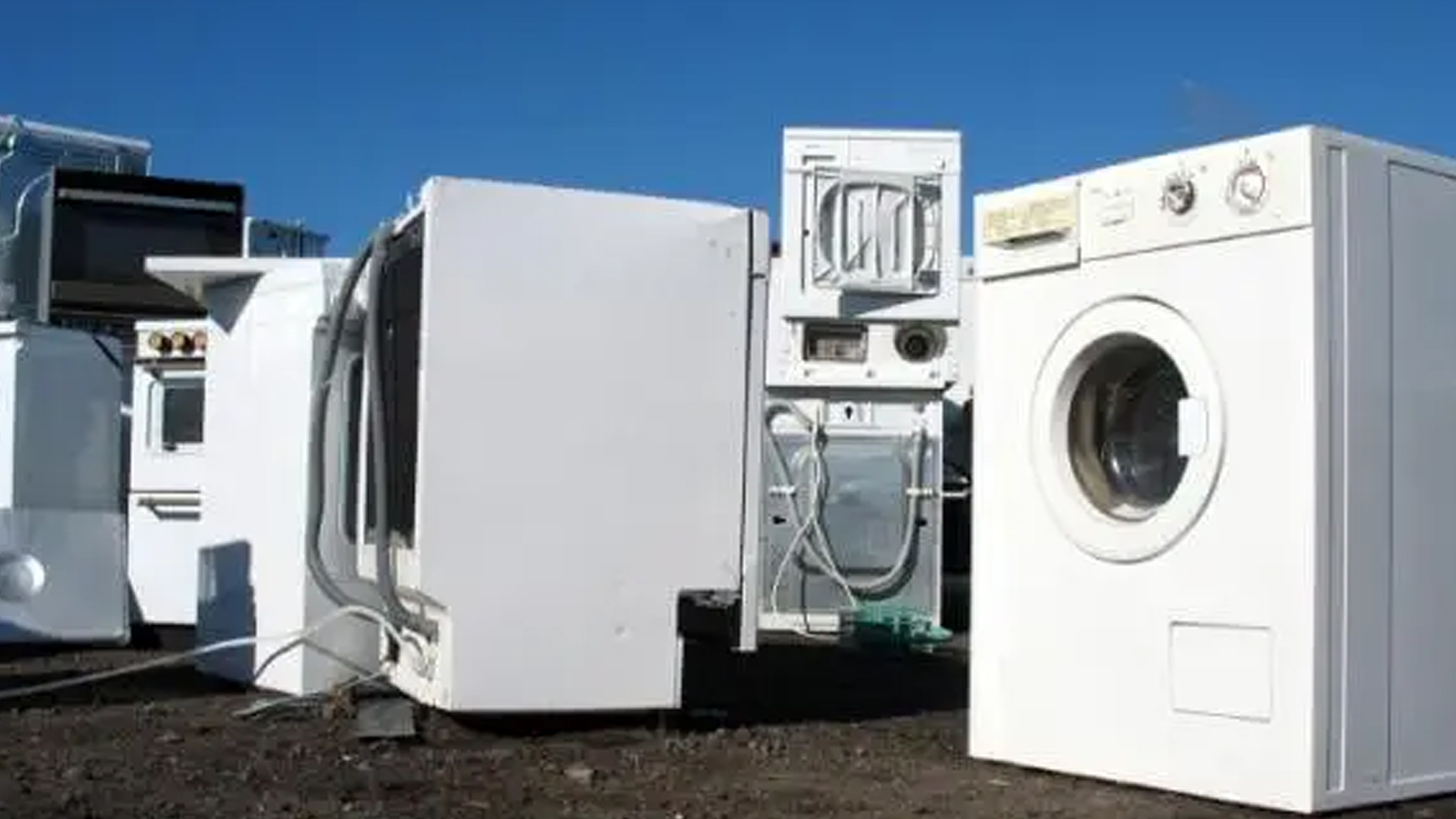
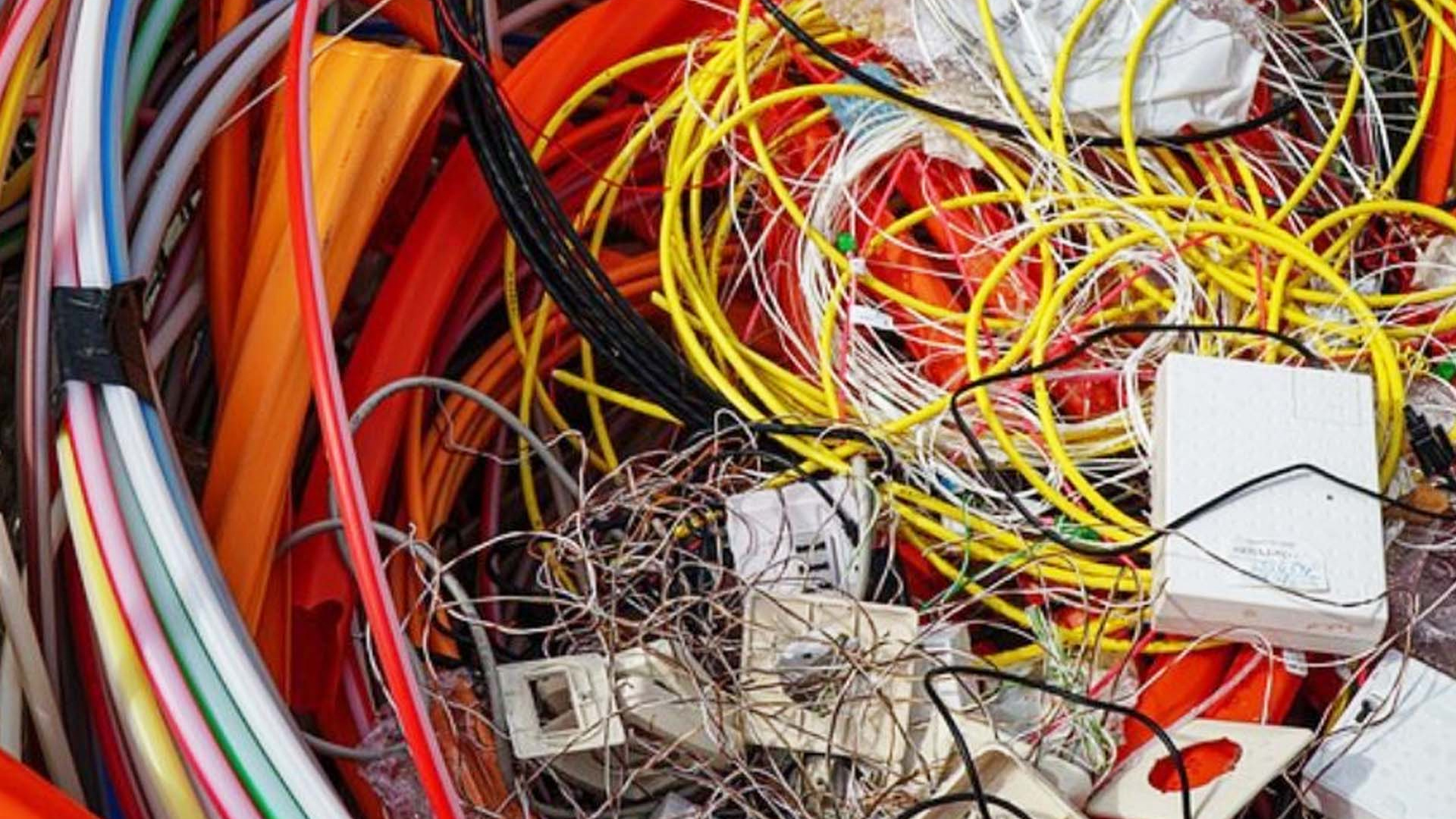
Electrical and Electronic Waste (E-waste) refers to discarded electrical or electronic devices that are no longer functional, needed, or up to date. This includes items such as computers, mobile phones, televisions, printers, batteries, chargers, circuit boards, and household electronic appliances. Proper e-waste disposal is essential to protect human health and the environment.
E-waste contains hazardous materials such as lead, mercury, and cadmium, which can contaminate soil, air, and water if disposed of improperly. Safe disposal and recycling prevent environmental pollution.
E-waste contains hazardous materials such as Exposure to toxic substances from e-waste can cause serious health problems. Proper handling and disposal reduce risks to workers and the public.
Many electronic devices contain valuable materials like copper, aluminum, and precious metals. Recycling allows these materials to be recovered and reused, conserving natural resources.
Many governments have regulations for managing e-waste. Responsible disposal ensures compliance with environmental laws and promotes sustainable practices.
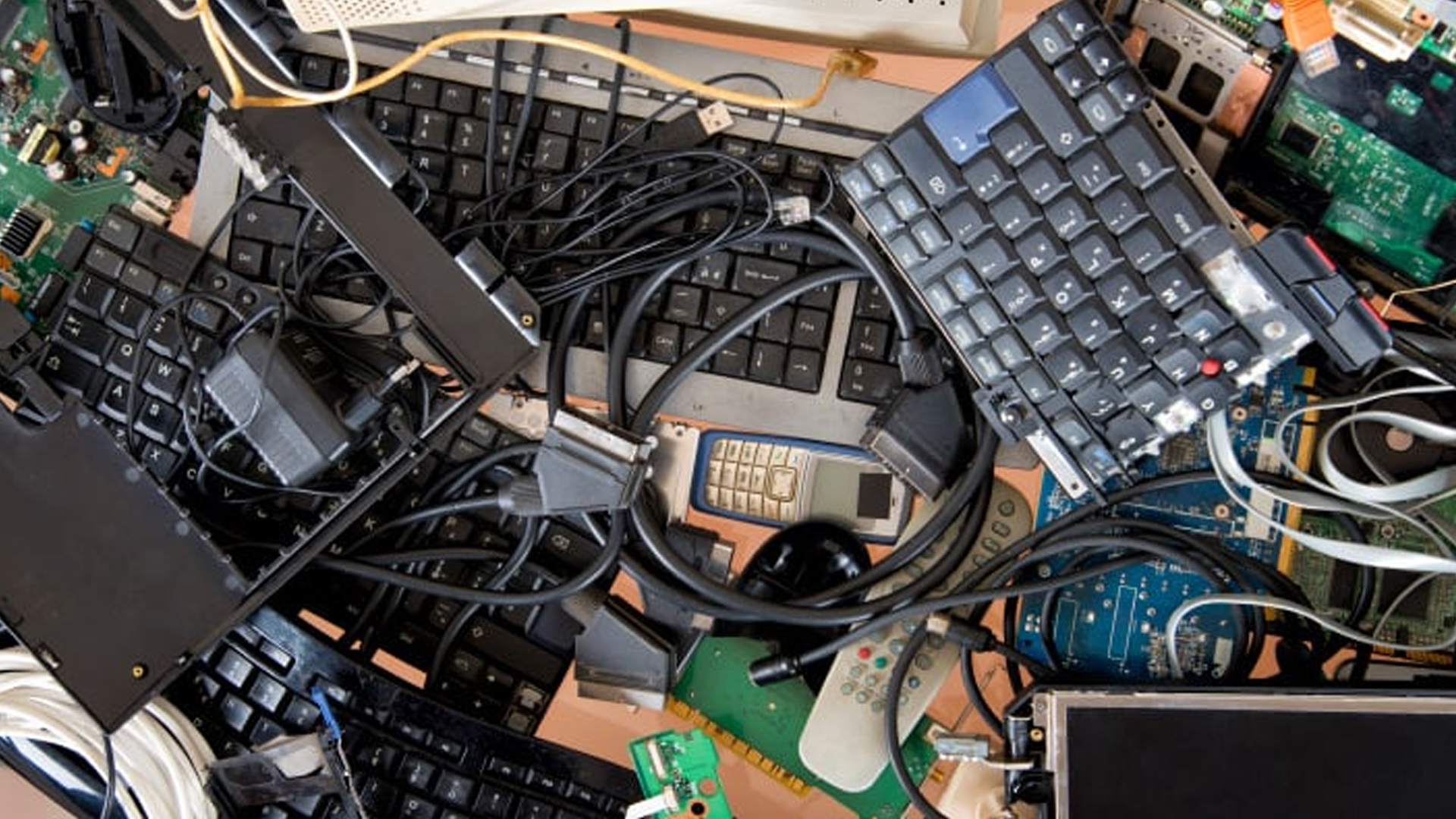
Proper disposal of electrical and electronic e-waste is crucial for environmental sustainability, public health, and efficient resource management. By following responsible e-waste disposal practices, individuals and organizations can reduce pollution and contribute to a cleaner and safer future.