

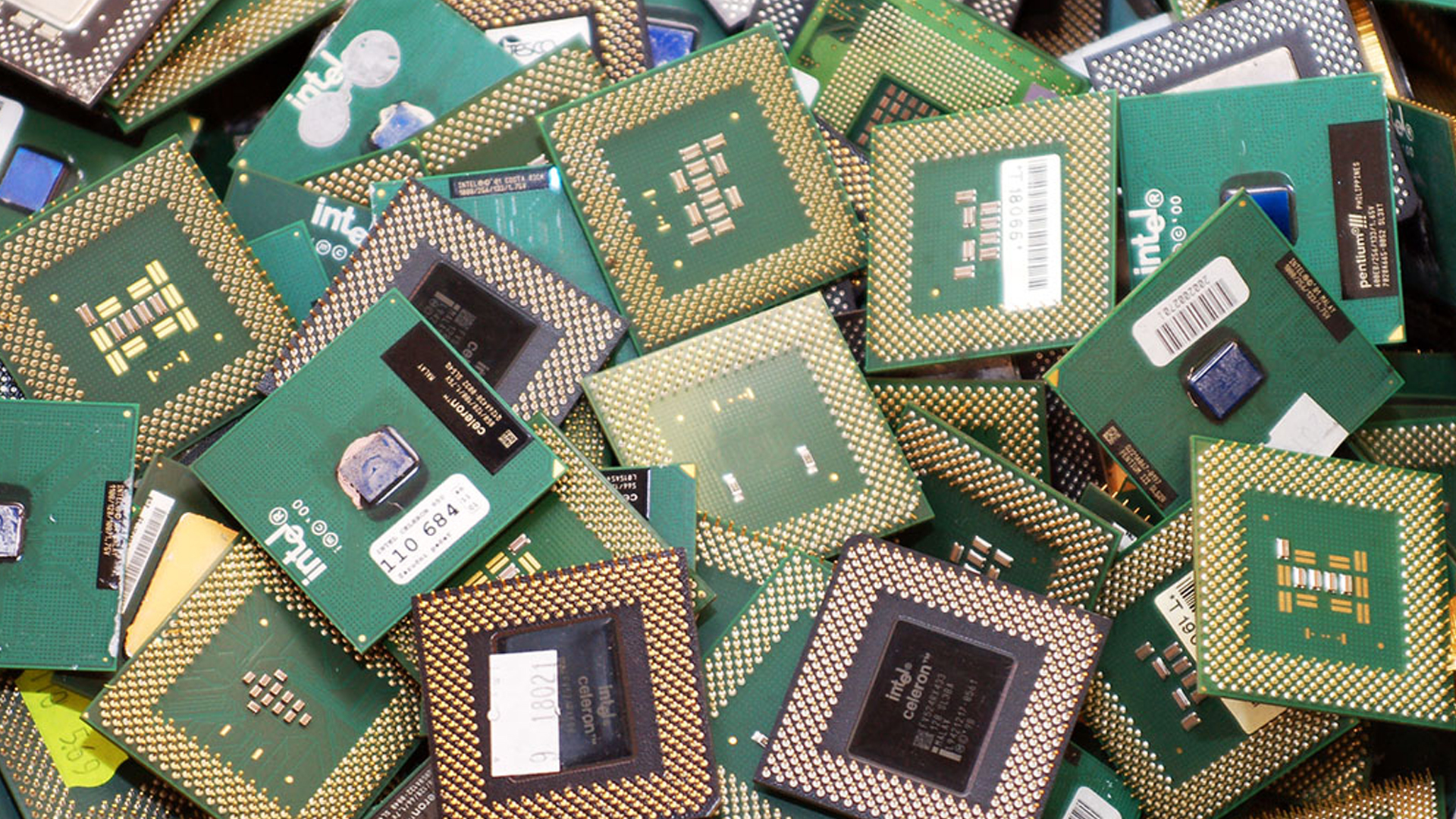
IT Asset Disposal (ITAD) is the structured process of securely and responsibly retiring obsolete, damaged, or surplus information technology equipment. This includes devices such as computers, servers, laptops, mobile phones, storage media, networking equipment, and peripherals. Proper IT asset disposal is essential to protect sensitive data, comply with regulations, reduce environmental impact, and recover residual value where possible.
IT equipment often contains confidential or sensitive data. Improper disposal can lead to data breaches, identity theft, or unauthorized access. Secure data sanitization methods—such as data wiping, degaussing, or physical destruction—ensure all data is permanently removed before disposal.
Many laws and standards require organizations to protect data and dispose of electronic waste responsibly. Proper ITAD helps organizations comply with data protection, privacy, and environmental regulations, reducing legal and financial risks.
Electronic waste contains hazardous materials that can harm the environment if not handled correctly. Responsible disposal includes recycling and reusing components to minimize landfill waste and support sustainability efforts.
Some retired IT assets still have resale or reuse value. Through refurbishment or resale, organizations can recover part of their investment while extending the life of usable equipment.
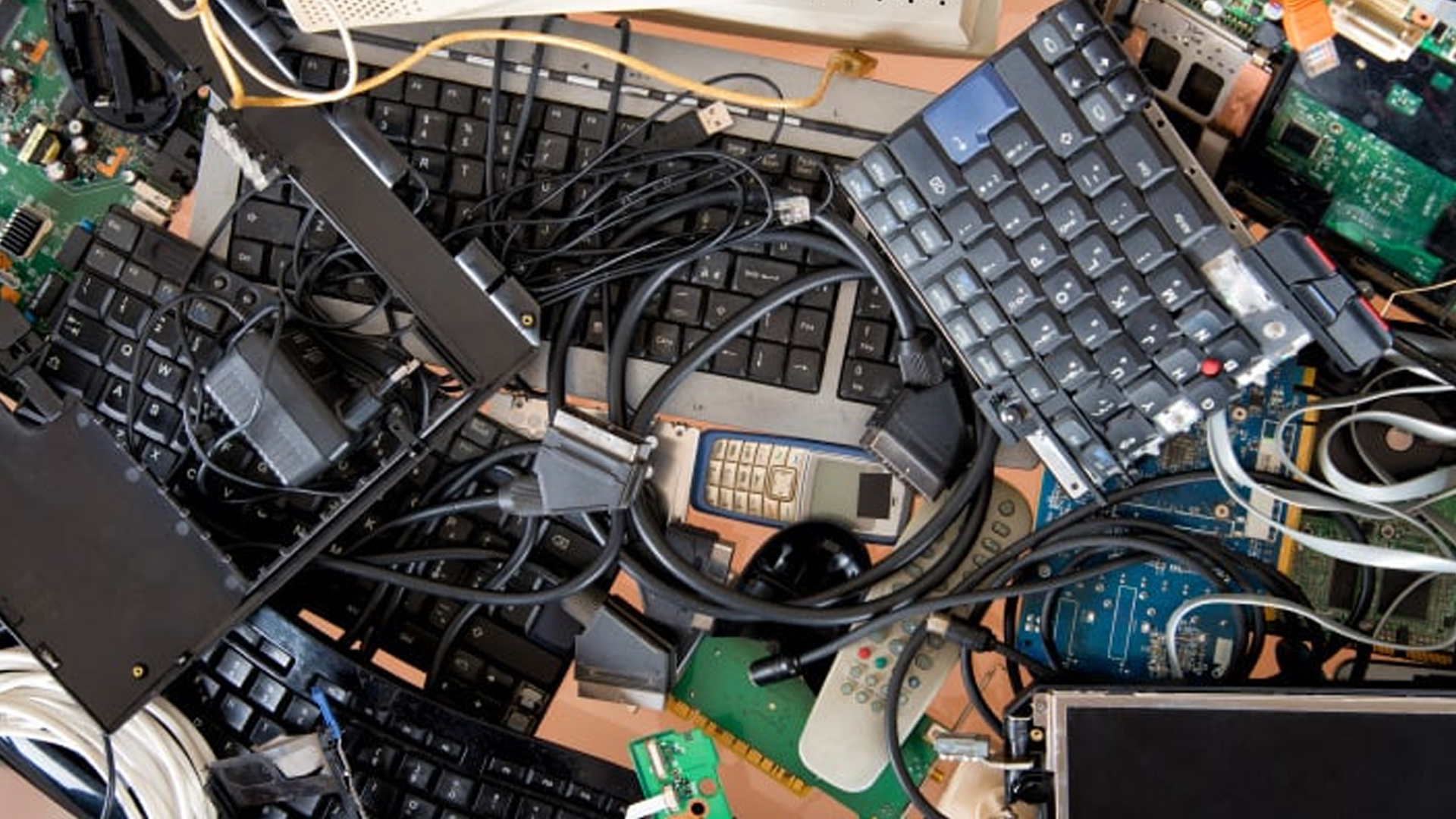
All IT assets scheduled for disposal are identified, logged, and tracked to maintain accountability.
Data is securely erased or destroyed using approved methods to ensure it cannot be recovered.
Equipment is assessed to determine whether it should be reused, resold, recycled, or destroyed.
Assets are disposed of through certified recyclers or disposal partners following environmental and safety standards.
Certificates of data destruction and disposal records are maintained for auditing and compliance purposes.
Effective IT asset disposal is a critical part of IT asset management. It safeguards data, ensures legal compliance, supports environmental sustainability, and can reduce costs through asset recovery. Organizations that follow a structured ITAD process reduce risk while promoting responsible and ethical technology management.